Address
304 North Cardinal
St. Dorchester Center, MA 02124
Work Hours
Monday to Friday: 7AM - 7PM
Weekend: 10AM - 5PM
Address
304 North Cardinal
St. Dorchester Center, MA 02124
Work Hours
Monday to Friday: 7AM - 7PM
Weekend: 10AM - 5PM
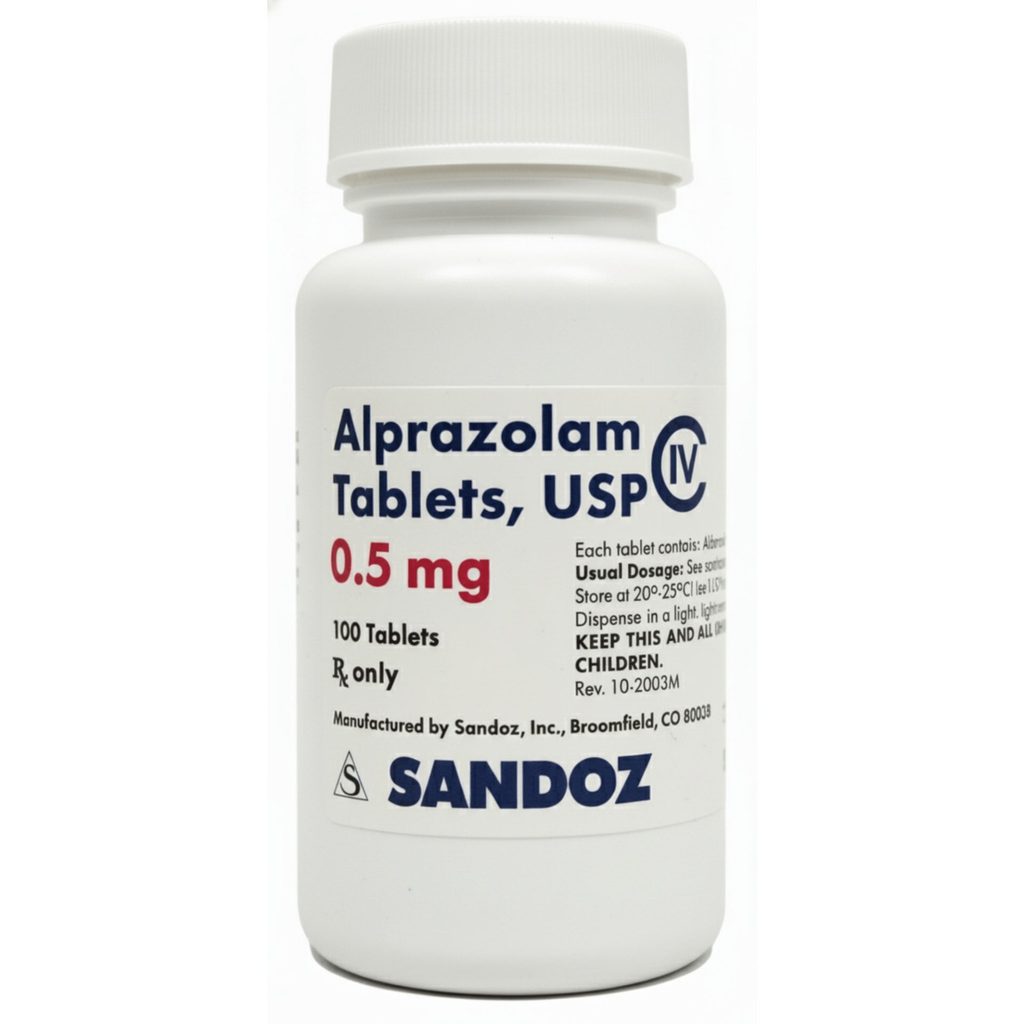
Understanding What Is Alprazolam? Uses, Benefits, and Risks Explained is important for anyone researching anxiety medication, exploring treatment options, or supporting a loved one who has been prescribed this medicine. Alprazolam is a prescription medication belonging to a class of medicines known as benzodiazepines. It is used in certain circumstances to help manage anxiety symptoms, particularly when those symptoms are severe, disabling, or causing significant distress.
For people experiencing overwhelming anxiety, appropriate treatment can make everyday activities feel more manageable. However, choosing medication requires careful consideration of its benefits, limitations, side effects, and potential risks. Alprazolam is not suitable for everyone, and its use requires professional medical supervision.
This guide explains what alprazolam is, how it works, its intended uses, important safety considerations, and what patients should know before discussing treatment with a healthcare professional.
Alprazolam is the active pharmaceutical ingredient in several prescription medicines, including certain formulations sold under the brand name Xanax. It belongs to the benzodiazepine family, which affects activity in the central nervous system.
The medicine works by enhancing the effects of gamma-aminobutyric acid (GABA), a neurotransmitter that helps regulate brain activity. Through this mechanism, alprazolam produces calming effects that may reduce anxiety symptoms.
Depending on the approved product information in the country concerned, alprazolam may be prescribed for:
Some formulations and national authorizations may include additional indications, such as panic disorder. Approved uses vary by country and product, so patients should consult their local prescribing information.
Alprazolam is generally intended for carefully selected patients rather than as a routine solution for everyday stress. It is not a substitute for a comprehensive mental healthcare plan.
Understanding the medicine’s characteristics helps patients make informed decisions with their healthcare providers.
Alprazolam belongs to a recognized class of medicines used in clinical practice. Its pharmacological effects are understood, and its approved indications are described in official product information.
Patient value: Knowing the medication’s intended purpose helps patients have more productive conversations with their doctors about whether it suits their circumstances.
By enhancing GABA activity, alprazolam can reduce excessive nervous system activity associated with anxiety.
Patient value: For appropriately selected patients, this effect may help relieve distressing symptoms and improve their ability to cope in the short term.
Alprazolam requires a healthcare professional’s assessment and a valid prescription where applicable under national law.
Patient value: Medical oversight allows individual risks, existing conditions, concurrent medications, and treatment goals to be considered.
Depending on the market, alprazolam may be available in different strengths or dosage forms.
Patient value: A prescriber can select an appropriate formulation based on the patient’s clinical circumstances and the available authorized products.
Not every formulation or strength is available in every European country.
The potential benefits of alprazolam depend on the condition being treated, the individual’s response, and the appropriateness of the prescription.
People experiencing significant anxiety may struggle with concentration, relaxation, sleep, and ordinary responsibilities. When prescribed appropriately, alprazolam may help reduce acute anxiety symptoms.
The medicine’s calming effects can be useful in selected clinical situations. However, symptom relief does not necessarily address the underlying causes of anxiety.
Some patients may benefit from temporary symptom management while receiving broader medical or psychological care.
Treatment planning should consider longer-term approaches, including psychological therapies, lifestyle support, and other appropriate treatments.
Anxiety affects people differently. A healthcare professional can assess symptom severity, medical history, previous treatments, and risk factors before recommending medication.
This individualized approach is particularly important for older adults and people with respiratory, liver, or other significant health conditions.
Important: Alprazolam does not guarantee symptom improvement, and benefits must always be weighed against its risks.
When discussing the quality of alprazolam medicines, it is important to distinguish the active ingredient from a particular manufacturer’s product.
Alprazolam is the active substance. Different pharmaceutical companies may manufacture authorized medicines containing this ingredient.
For a medicine intended for the European market, relevant considerations include:
A product’s quality cannot be established solely through website photographs, promotional descriptions, or claims of premium quality.
Patients should obtain medicines through legally authorized pharmacies and follow local dispensing requirements.
Alprazolam should only be used by the person for whom it was prescribed, following the specific instructions provided by the prescriber and pharmacist.
Before treatment, discuss your symptoms, medical history, allergies, current medicines, and any history of alcohol or substance-related problems.
Tell your healthcare professional if you are pregnant, planning a pregnancy, or breastfeeding.
Use only the prescribed dose and schedule. Do not increase your dose, take additional doses, or extend treatment without medical advice.
Different products have different instructions, and dosing should not be generalized from another person’s prescription or an online article.
Alprazolam may cause drowsiness, dizziness, impaired coordination, memory difficulties, and reduced alertness.
Do not drive, cycle in traffic, or operate machinery if you are affected. Follow local driving regulations and your clinician’s advice.
Do not drink alcohol while taking alprazolam.
Combining it with opioids or other sedating medicines may cause profound sedation, slowed breathing, coma, or death. Tell your doctor and pharmacist about every medicine and supplement you use.
Do not independently discontinue another prescribed medicine to accommodate alprazolam.
Treatment should be reviewed regularly, with attention to symptom improvement, adverse effects, ongoing need, and dependence risk.
Use the lowest effective dose for the shortest appropriate period, according to your local product information and clinical plan.
Never stop alprazolam suddenly after regular use without medical guidance. Withdrawal can be dangerous and may include seizures. A clinician can develop an individualized gradual reduction plan when discontinuation is appropriate.
Correct storage helps protect medicine quality and reduces the risk of accidental exposure.
Storage requirements can vary by product. Check the patient leaflet rather than assuming every alprazolam medicine has identical requirements.
An informative product page should clearly explain that alprazolam is not a risk-free treatment.
Possible side effects include:
Side effects may affect people differently and can be more concerning in older adults.
Repeated use can lead to physical dependence, sometimes even when the medication has been taken as prescribed.
Tolerance may also develop, meaning the medicine’s effects may diminish over time. Increasing the dose independently can significantly increase harm.
Physical dependence and addiction are not identical, but both deserve careful attention.
Extra care is needed for people with certain respiratory conditions, sleep apnoea, liver problems, a history of substance-related difficulties, or other relevant medical concerns.
Alprazolam may be inappropriate for people with specific contraindications, including certain severe respiratory conditions or myasthenia gravis. Pregnancy and breastfeeding also require specialist medical assessment.
Seek emergency medical assistance if someone taking alprazolam develops:
Do not assume someone can safely sleep off a suspected overdose. Follow emergency service instructions.
When researching prescription medicines online, trustworthy information should come before promotional claims.
A responsible healthcare information provider should offer:
No particular brand, pharmacy, shipping service, warranty, or manufacturing certification has been specified for this page. Those claims should only be included when independently verified.
For patients, the most valuable differentiator is access to accurate information and safe, lawful healthcare.
Alprazolam is a benzodiazepine prescribed for certain anxiety-related conditions, generally when symptoms are severe or significantly disabling. Approved indications vary by country and formulation.
It enhances the effects of GABA, a neurotransmitter that helps calm activity in the central nervous system. This produces calming effects that may reduce anxiety symptoms.
Alprazolam can begin producing effects relatively quickly, often within the first hour after an oral dose, although timing varies. The onset of effects does not mean it is safe to take additional doses.
Follow your prescription and do not use perceived lack of effect as a reason to increase the dose.
Alprazolam carries a risk of misuse, addiction, tolerance, and physical dependence. Dependence can occur even at prescribed doses, particularly with prolonged use.
Medical supervision and regular treatment reviews are important.
No. Alcohol can intensify alprazolam’s sedating effects and increase the risk of dangerous breathing problems, unconsciousness, and death.
Avoid alcohol throughout treatment.
Stopping suddenly after regular use can trigger withdrawal symptoms, including severe anxiety, agitation, confusion, and seizures.
Speak to your prescriber about a gradual, individualized reduction plan.
Older adults may be more vulnerable to sedation, falls, confusion, and other adverse effects. A healthcare professional must assess whether treatment is appropriate and determine the safest approach.
Alprazolam is prescription-only in many European jurisdictions. Exact legal requirements, authorized formulations, and dispensing rules vary by country.
Use a licensed pharmacy and verify local requirements before obtaining any prescription medicine.
Alprazolam can have a role in managing certain severe anxiety symptoms when prescribed appropriately. Its calming effects may provide meaningful short-term symptom relief for selected patients, but the potential benefits must be balanced against important risks.
Understanding alprazolam’s uses, side effects, dependence potential, drug interactions, and safe-use requirements is essential before starting treatment.
If you are experiencing persistent anxiety or have questions about an existing prescription, speak with a qualified healthcare professional about your options. Psychological therapies and other evidence-based treatments may also be appropriate depending on your circumstances.
Take the next step toward informed care: Review your medicine’s official patient leaflet, discuss your treatment goals with your doctor or pharmacist, and choose a care pathway that prioritizes your health and safety.